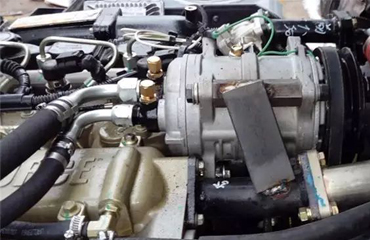
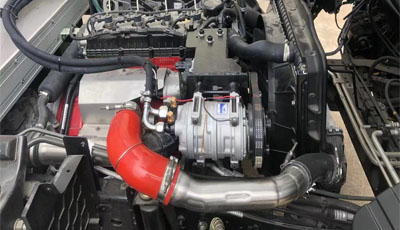
Refrigerated Truck Compressor Failure Troubleshooting and Replacement Guide
Many technicians only fit a new compressor without fixing underlying system issues, which leads to early failure of the new unit. This article offers clear practical steps for reefer unit diagnosis, repair and replacement.
.jpg)
Find Root Causes Before Compressor Replacement
Determine why the old compressor failed before installing new components.
- Check refrigeration oil. Black oil with metal particles means internal wear or burnout. Milky oil points to system moisture. Low oil level causes oil starvation and shaft seizure.
- Complete electrical checks. Inspect for burnt coils, damaged contactor contacts, unstable voltage and failed high‑low pressure protection.
- Test heat dissipation. Dirty condenser or stuck fan results in compressor overheating.
- Examine refrigeration system. Faulty expansion valve triggers liquid slugging. Wrong refrigerant amount, pipe leakage and poor oil return also cause damage.
- Inspect drive parts. Improper belt tension, misalignment and worn anti‑vibration mounts produce excessive vibratio
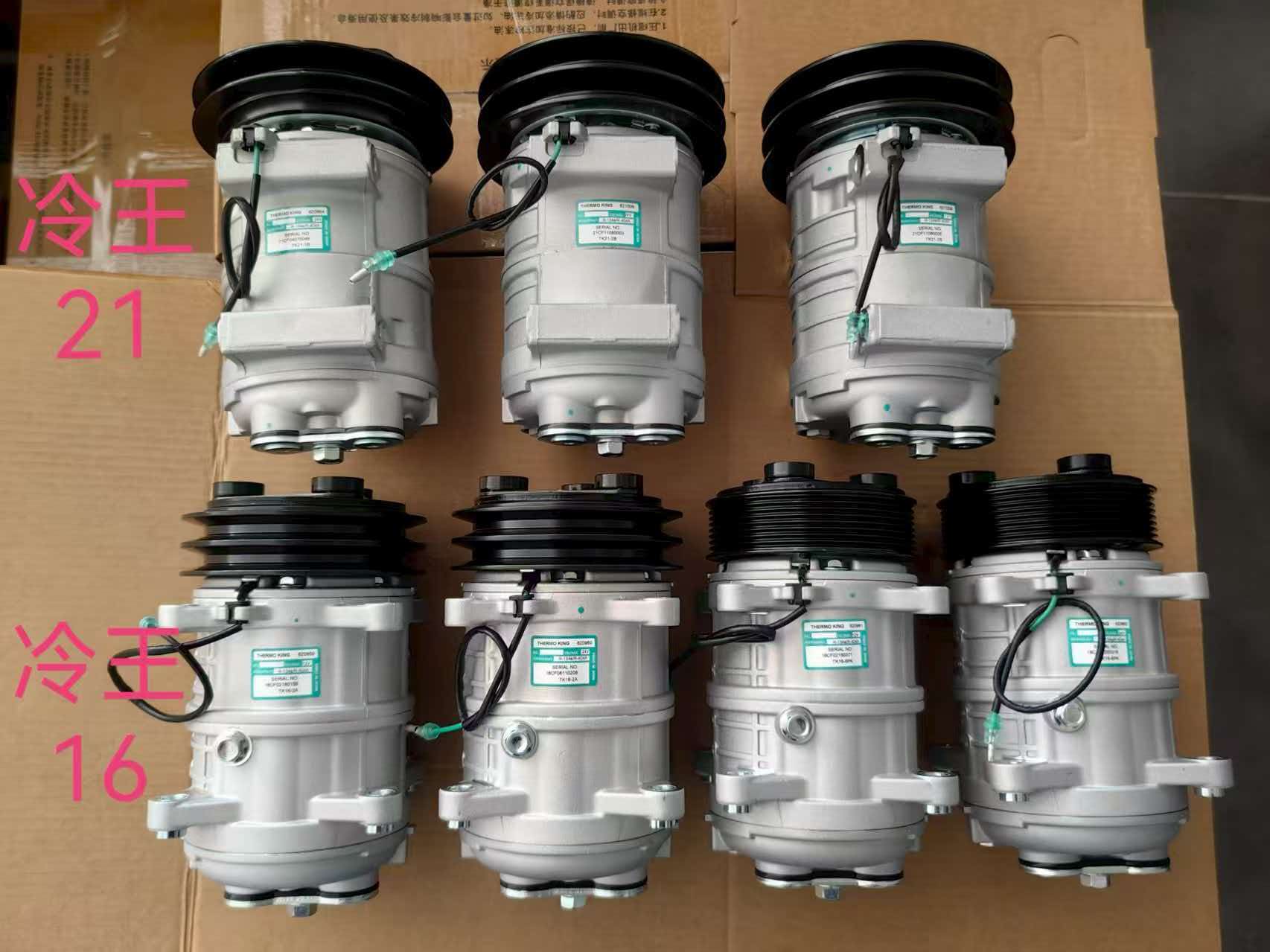
Mandatory System Cleaning and Part Replacement
Debris spreads across the whole circuit after compressor burnout or seizure.
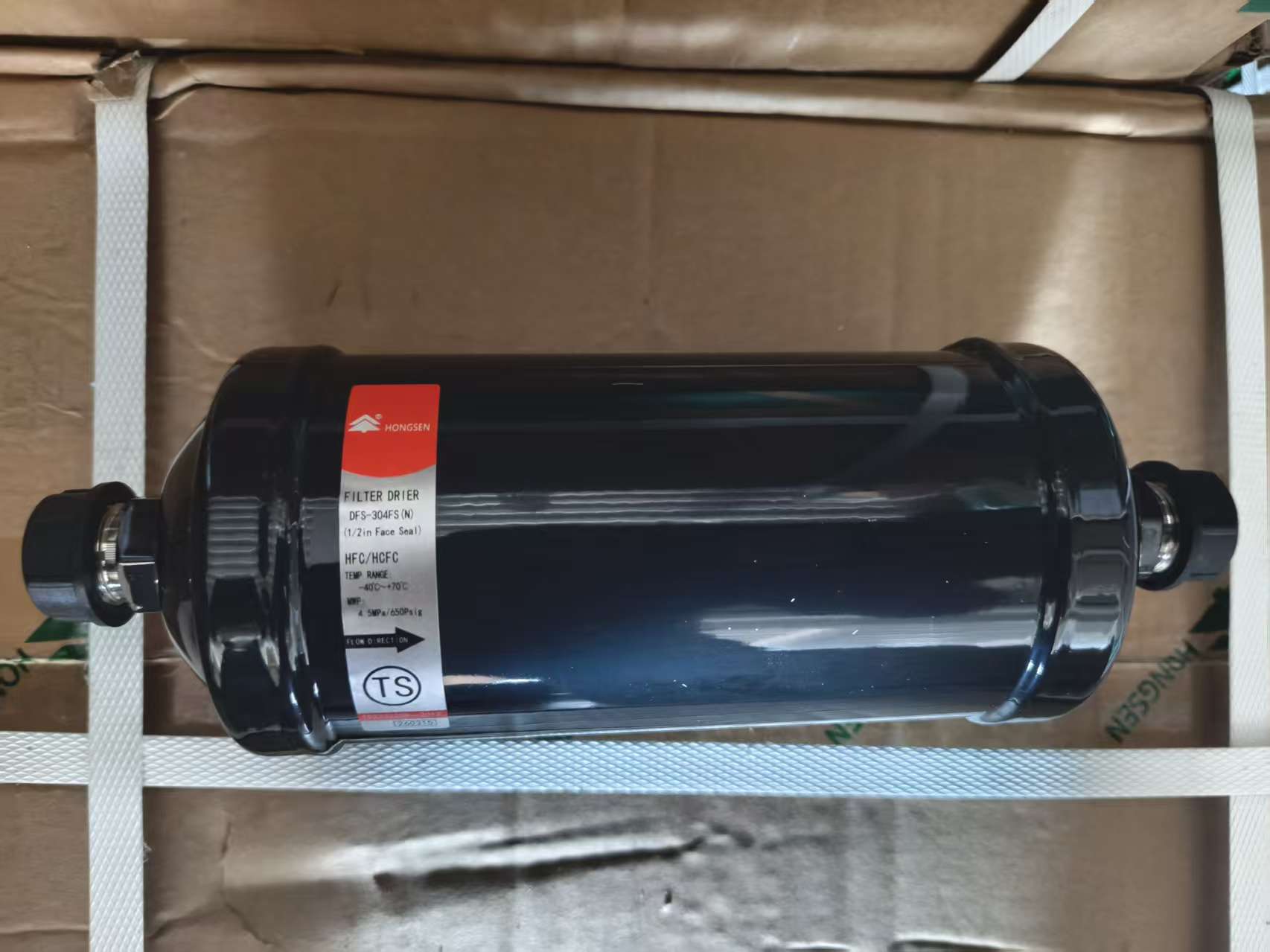
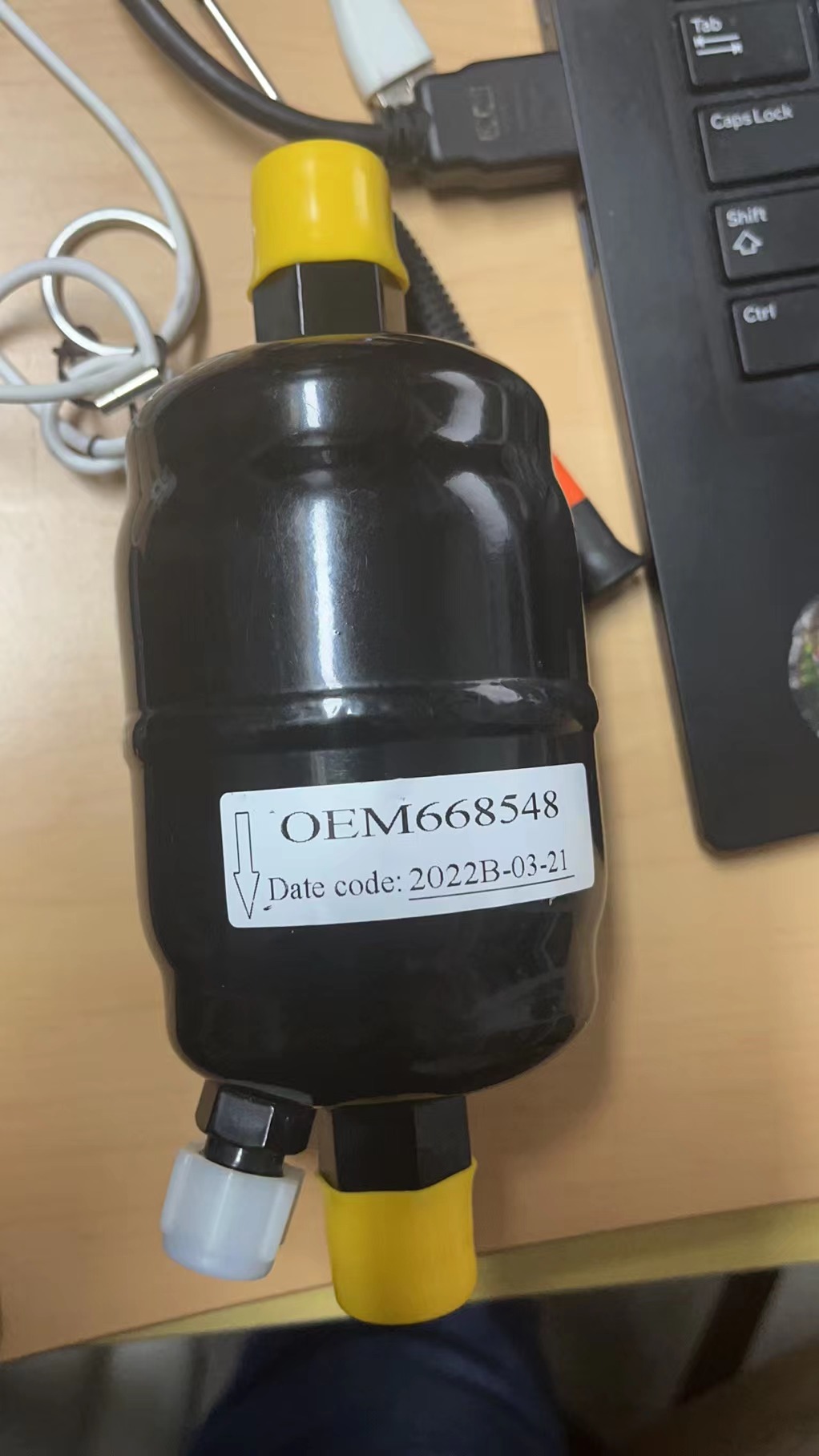
- Recover old refrigerant and remove the damaged compressor. Replace filter drier and oil separator.
- Use dry nitrogen to purge high‑pressure lines, low‑pressure lines, condenser and evaporator.
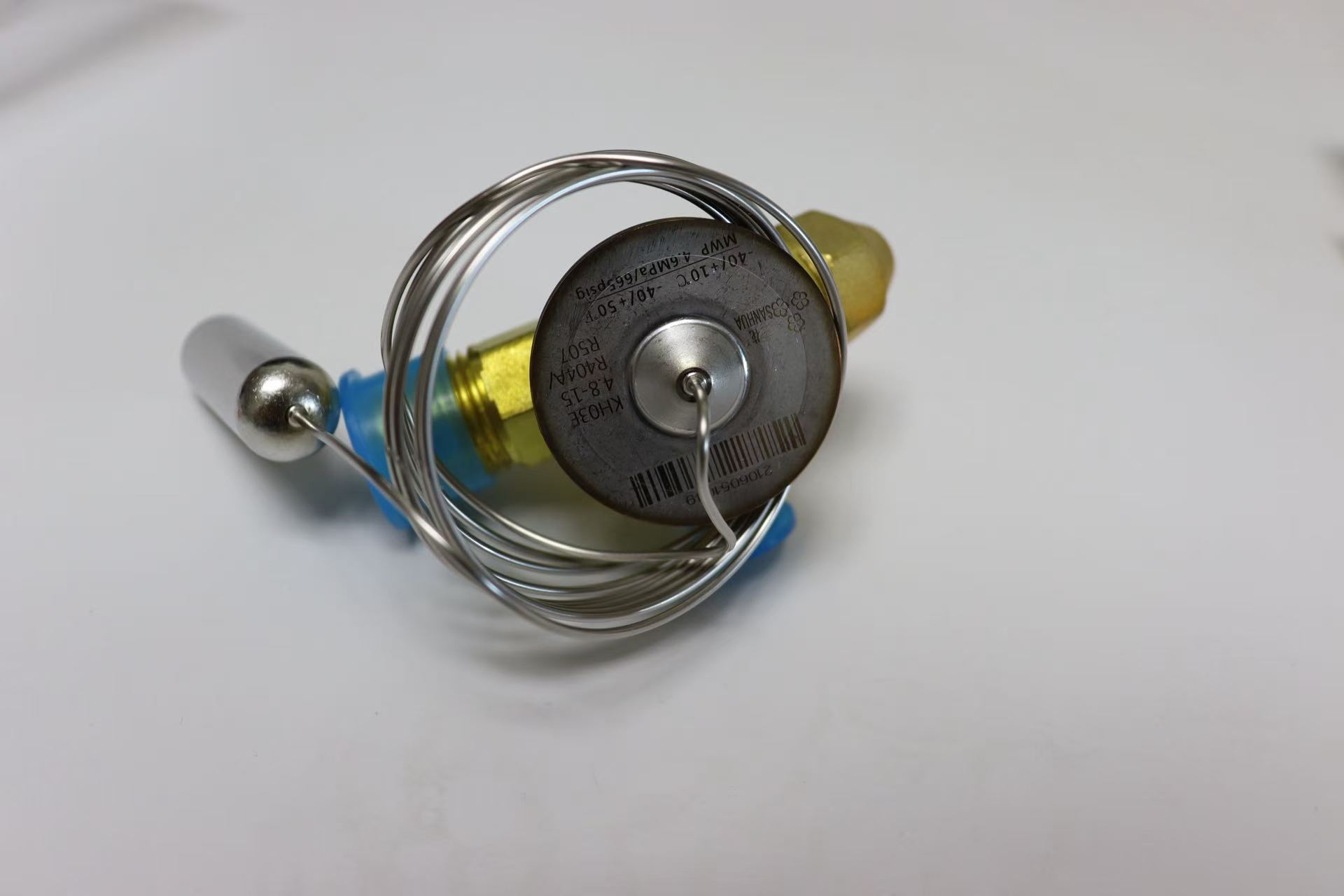
- Disassemble expansion valve and clean its inner cartridge core. Surface cleaning is not enough.
- Continue purging until no oil or particles exit from pipe outlets. Seal pipe ends to block moisture.
- For severe burnout, flush heat exchangers with system cleaner and dry thoroughly with nitrogen.
Compressor Selection
- Prioritize OEM compressor with matching displacement.
- If original model is unavailable, choose alternatives with similar displacement. Ensure mounting position, port size, refrigerant type and POE oil specification match.
- Never use compressors with overly large or small displacement.
POE RL68H Refrigeration Oil Filling
.jpg)
.jpg)
POE oil absorbs moisture quickly under open‑air conditions.
- Record oil volume drained from the failed compressor.
- Fill new compressor with RL68H POE oil. Add supplementary oil for system loss and follow the manufacturer’s total oil capacity. Too much or too little oil will create new faults.
- Keep sealing plugs in place until pipe connection to reduce air and moisture entry.
Installation Vacuum and Refrigerant Charging
- Install new gaskets for compressor mounting. Adjust belt tension and secure anti‑vibration mounts.
- Perform dual‑side vacuum pumping for sufficient time. Hold vacuum status to confirm no leakage.
- Charge refrigerant by weight following unit nameplate specifications. Do not rely only on pressure gauge readings.
Post Replacement Test Run
- Confirm pressure and compressor running current stay within manufacturer ranges. Check fans run normally and oil return works well.
- Test cargo box cooling performance. Observe expansion valve frosting to prevent liquid slugging.
- Check all pipe joints for refrigerant leakage.
Common Repair Mistakes to Avoid
- Only replace compressor without solving root‑cause faults
- Skip replacement of filter drier and oil separator
- Fail to clean expansion valve inner cartridge core
- Expose POE oil to open air for long time
- Fit compressor with wrong displacement
- Shorten vacuum pumping time
- Use incorrect refrigeration oil volume
Compressor damage is a symptom rather than the root fault. Complete system cleaning and solving original problems can extend the service life of new compressors.
FAQ
Why does a new reefer compressor fail shortly after replacement? Residual metal debris, acid or moisture remains in the circuit. Original problems such as poor heat dissipation or liquid slugging are not fixed.
Is nitrogen purging required after compressor burnout? Yes. Fine particles left inside pipes will damage the new compressor.
Can I skip replacing the filter drier? No. The filter drier gets contaminated during burnout and must be replaced.
How to confirm refrigeration oil contamination? Black, gritty or milky oil with burnt smell means contamination, and full‑system cleaning is needed.