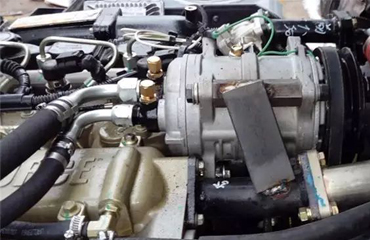
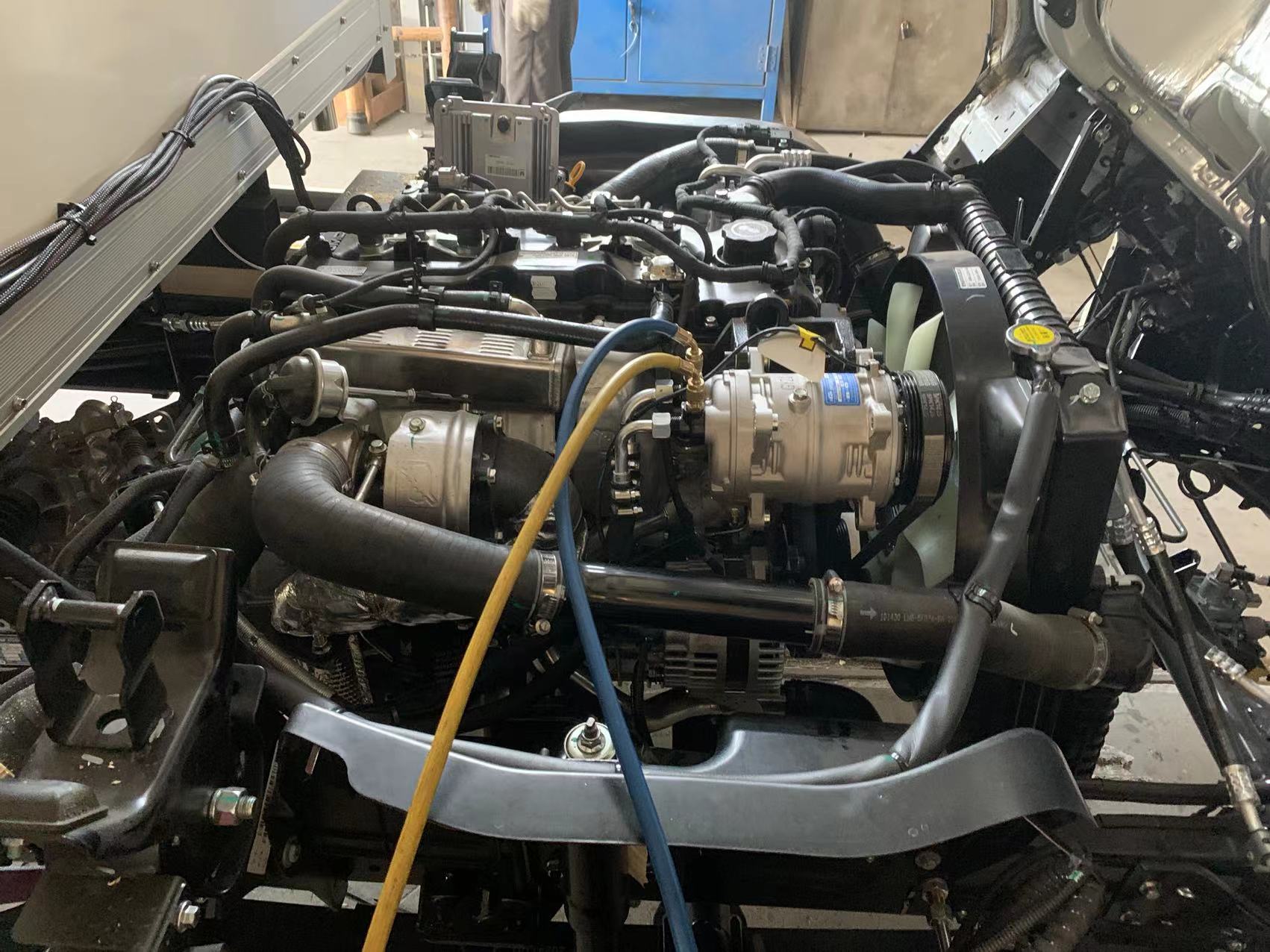
System underpressure: If the pressure falls below the lower limit of the pressure switch and an alarm is triggered immediately at startup, it indicates no refrigerant in the system and a leakage point. Leak detection and repair must be completed first, followed by replenishing refrigeration oil, vacuum pumping, and refrigerant charging. If the alarm occurs only after running at low temperature, it suggests insufficient refrigerant charge, a too-small expansion valve opening, or clogging (dirty/ice) in the expansion valve. Inspection and resolution are required before reuse. Damaged low-pressure switch: The switch fails to close under normal pressure. Verification method: With sufficient refrigerant in the system, measure the two contacts of the pressure switch directly with a multimeter. If no continuity is detected, the pressure switch is faulty and must be replaced. Open circuit: The low-pressure switch is intact, but there is a break in the two wires connecting to the switch. Controller failure: Judgment basis: With normal system pressure, measure the low-pressure switch wire (usually brown) and the black negative wire directly from the rear plug of the controller. If continuity is detected, it confirms the wiring harness and pressure switch are normal, and the pins are intact and properly seated. In this case, the controller is faulty and requires replacement. Notes for preservation units: The above applies to freezing units (equipped with a low-pressure switch). Preservation units do not have a separate low-pressure switch; the low-pressure switch circuit is directly connected to the negative pole. Judgment method: Measure the continuity between the brown and black wires at the controller rear with a multimeter. If no continuity, inspect the wiring.If no continuity, inspect the wiring. If continuity exists and the pins are secure, the controller is faulty and must be replaced.



.jpg)