

Foreword
Transport refrigeration equipment is the core of cold chain logistics. When breakdowns happen, you risk losing not just the unit, but the entire cargo load.
Backed by years of on-site service experience, the Sinoclima expert team has compiled the most common issues you’re likely to face. You don’t need professional technical training—master this guide, and you’ll make the right decisions at critical moments to protect your cargo.
Cooling-only units run only when set temperature is lower than ambient temperature. Contact our engineers for heating functionality requirements.
Refrigerant amount depends on unit configuration, compressor type, pipe length, installation season, and compressor speed.
You can judge refrigerant charge easily by sight glass inspection:
R404A systems need strict vacuum levels. Use a 4L/s or larger vacuum pump to ensure peak cooling performance.
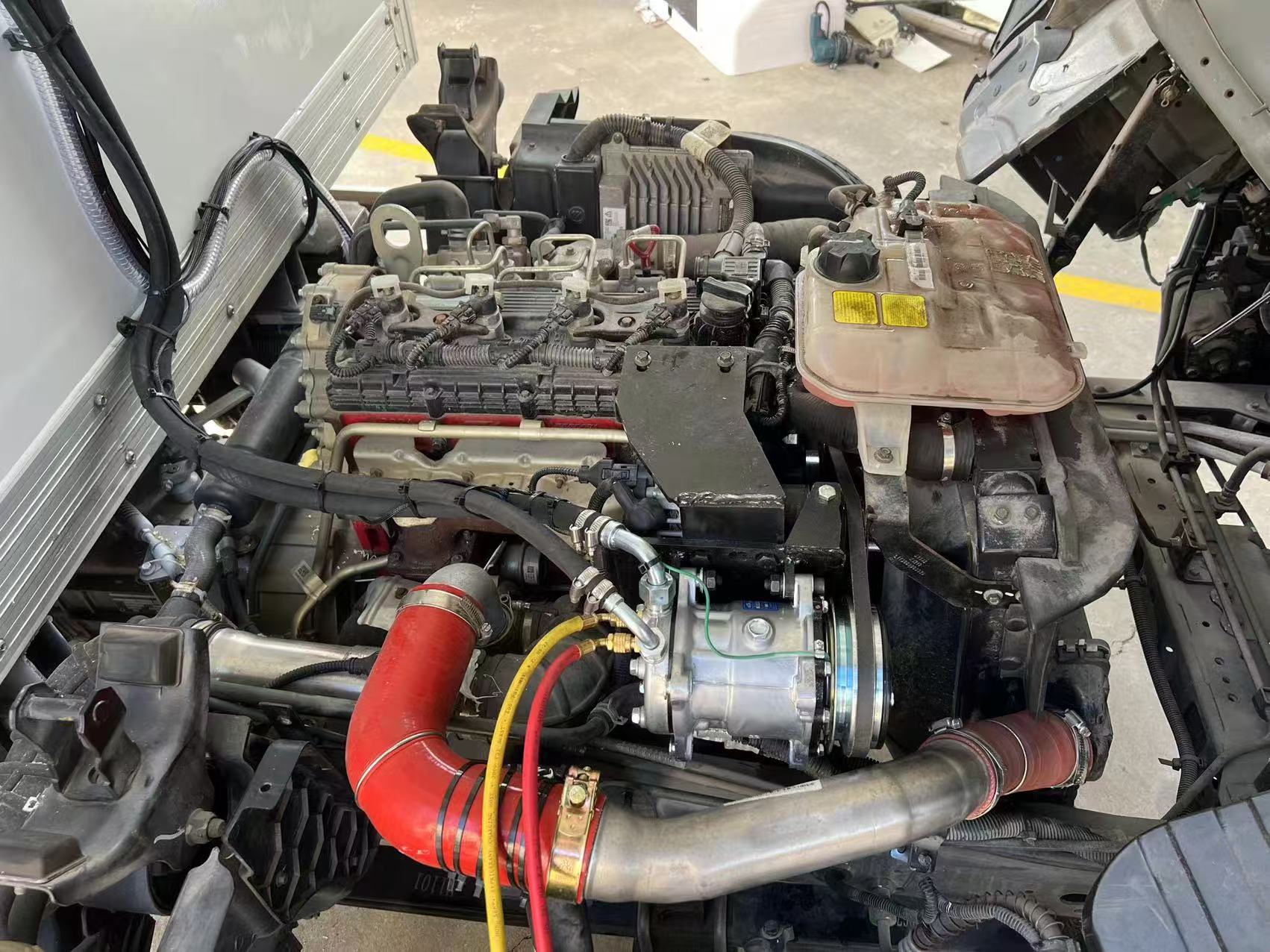
For Carrier, GY, or Valeo compressors, use RL32H or RL68H oil. Fill 10%–15% of the refrigerant volume. Inject part of the oil into the compressor, and the rest into system lines.
To prevent liquid slugging, spin the compressor clutch disk about 10 times before charging refrigerant.
Top up with the same-spec oil if refrigerant leaks or runs low.
Start the unit at engine idle to reduce shock and extend compressor life.
Avoid pressure-only diagnosis because temperature affects readings. Use the sight glass method for accurate results.
During charging, bubbles will decrease gradually. When one bubble appears every few seconds, the refrigerant charge is perfect. If no bubbles appear at all, the system is overcharged.
First, try charging through the high-pressure side. If the amount is still insufficient, start the unit and add refrigerant through the low-pressure side.
If both high and low pressures are too low to charge, the issue is usually a clogged expansion valve.
A dirty clog happens when debris blocks the expansion valve. You can fix it by cleaning the filter or replacing the valve.
An ice clog is caused by moisture left from poor vacuum. The solution is to re-vacuum the system thoroughly.
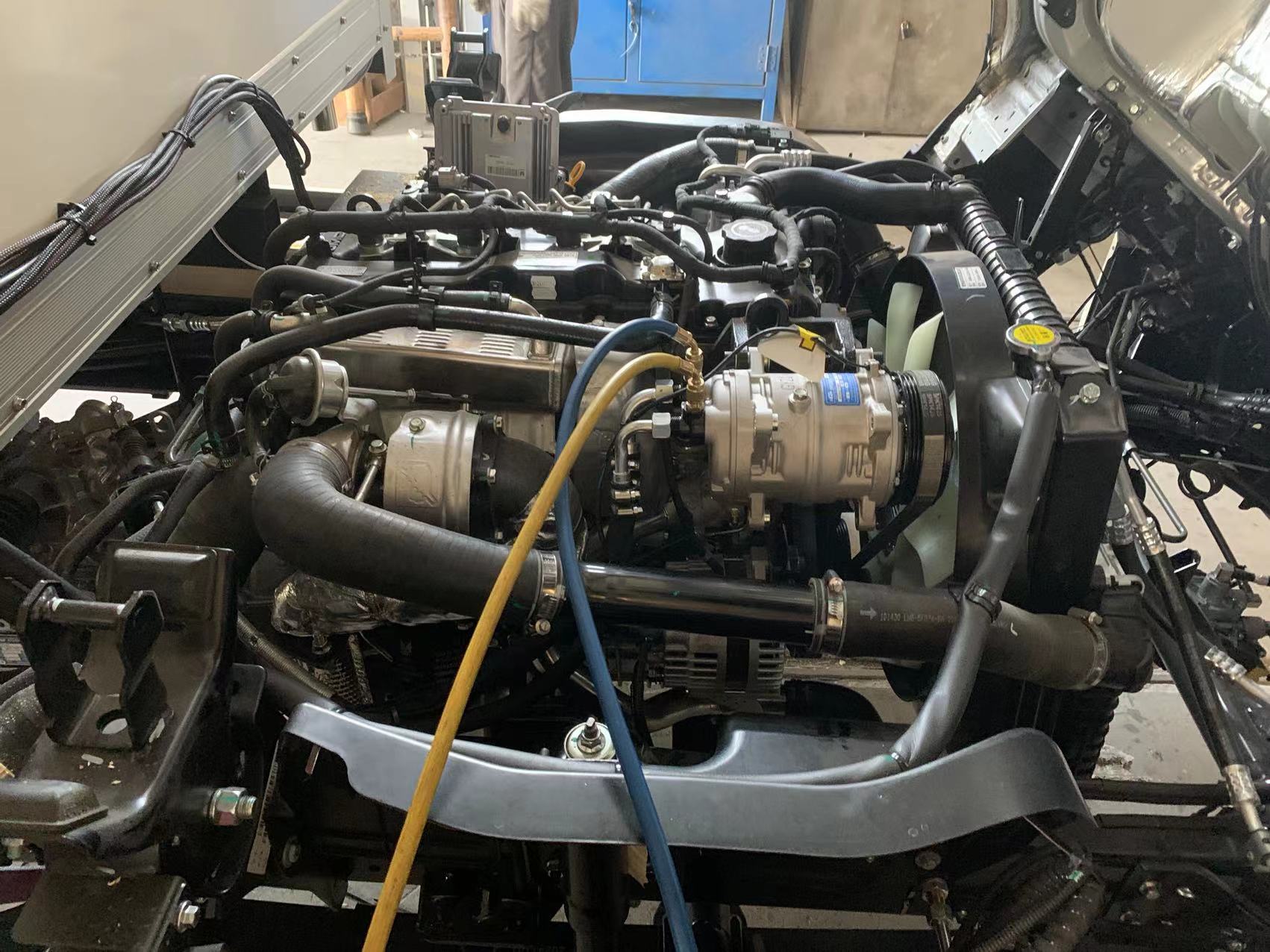
After full vacuum, charge refrigerant through the high-side first. Close the high-pressure valve, start the unit, then slowly charge the low-side in vapor form. This prevents liquid slugging and keeps stable refrigerant composition.
If you get a low pressure alarm immediately at startup, possible causes include refrigerant leak below the low-pressure switch threshold, broken low-pressure switch wiring, faulty pressure switch, or control panel failure.
If the alarm appears after running for a few minutes, check if the solenoid valve is closed, the expansion valve bulb is broken causing the valve to stick closed, or if there is line blockage.
A high pressure alarm at startup usually comes from high-pressure switch wiring fault, defective pressure switch, or controller failure.
If the alarm happens after several minutes of running, inspect whether the condenser fan is not working, the refrigerant is overcharged, or the condenser has poor heat dissipation.
For R134a systems, low or missing refrigerant often triggers immediate high-pressure faults, so recharge refrigerant first. Then check the condenser fan and replace it if broken. Verify pressure switch wiring and fix any overcharge or cooling issues.
When low pressure is near zero and high pressure is also low with no change after minutes of running, the refrigerant circulation has stopped.
Common causes include expansion valve clog from dirt or ice, broken sensing bulb, filter drier or filter blockage, or solenoid valve power failure.
To fix, check solenoid power supply, clean or replace the valve and filter. Using high-quality valves like Danfoss helps lower clogging risks.
If you notice high pressure is low and low pressure is high while box temperature cannot drop, check these three points.
First, a defrost solenoid leak allows hot refrigerant to enter the evaporator and reduce cooling effect.
Second, an overfeeding expansion valve causes heavy frost on low-pressure lines and the compressor.
Third, internal compressor leakage leads to pressure cross and lower compression efficiency.
Start by checking the cooling and fan indicator lights on the control panel.
If both lights are on but the fan does not run, test the voltage at the fan plug.
If there is no power, check each pin of the fan relay.
If the relay works normally, measure the fan signal voltage at the controller output.
If the controller shows fan is on but there is no signal voltage, the controller itself has failed.
Wire Color Reference:
Most failures in transport refrigeration systems show early warning signs. By recognizing these common problems and spotting abnormalities early, a simple fix can often prevent losing an entire load of cargo.
SINOCLIMA focuses on transport refrigeration, providing you with reliable equipment and professional technical support.
If you encounter equipment failures or have any questions about operation, feel free to contact the SINOCLIMA technical support team anytime.
SINOCLIMA – Professional Transport Refrigeration Solutions