HP&HPer Refrigerated Truck High-Pressure Alarm? SINOCLIMA's Expert Team Has You Covered!
Release Time:2026-03-06
Read:
Share:
HP&HPerRefrigeratedTruck High-Pressure Alarm? SINOCLIMA's Expert Team Has You Covered!
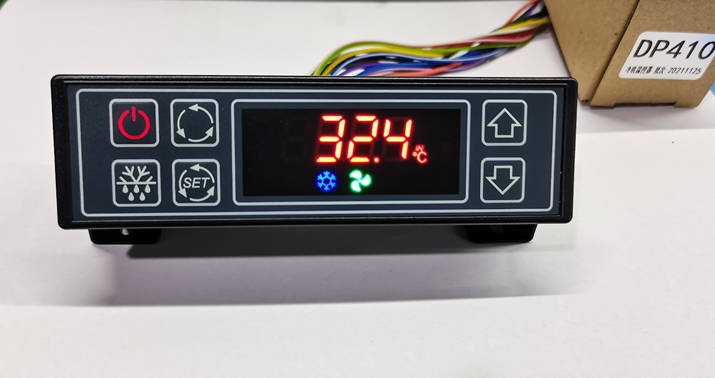
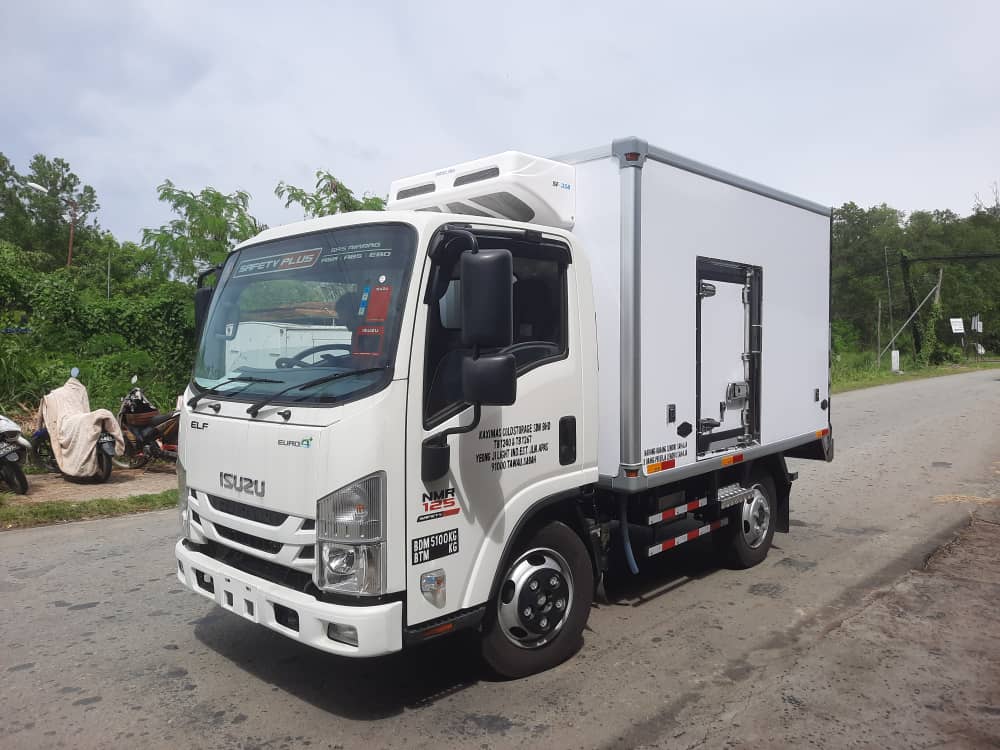
When the refrigeration unit enters a “high-temperature baking period,” parking with the unit running or failing to clean the radiator fins for extended periods can easily trigger high-pressure fault alarms (HP/HPER). Follow these four steps to resolve high-pressure alarm faults in refrigerated trucks: I.First Action: Emergency Shutdown 1. Immediately shut down the refrigeration unit and stop the compressor. 2. Disconnect the power supply and wait 5–10 minutes for the pressure to naturally decrease. 3. Do not force repeated startups. II. Quick Troubleshooting (From Most Common to Least Common) 1. Dirty condenser/fan not rotating: Clean dust and debris from fins, check fan operation, ensure proper ventilation. 2. Poor ambient heat dissipation: Relocate to shaded area, avoid direct sunlight and obstructions blocking condenser. 3. Refrigerant issues: Excess refrigerant or air contamination requires professional vacuuming/recharging. 4. System blockages: Clogged dry filter or expansion valve necessitates replacement/repair. 5. High-pressure switch/sensor false alarm: Verify actual pressure with a gauge; replace if abnormal. III. Processing Flow Shut down and relieve pressure → Clean the heat sink and fan → Restart and observe; If alarm persists → Check refrigerant, filter, and expansion valve; If abnormality remains → Inspect high-pressure switch and circuitry; If issue cannot be resolved → Contact professional maintenance. IV. Routine Maintenance 1.Clean the condenser every 1–2 weeks; 2.Regularly inspect fans, belts, and electrical circuits; 3.Charge refrigerant according to standard specifications; 4.Intermittently dissipate heat during high-temperatureoperation.



.jpg)
.jpg)
.jpg)